

 CLOSE
CLOSE
Efforts for Stable Supply
Reliability
Our electricity network, with its high reliability, supports the prosperous lives and industries of our customers in Kyushu.
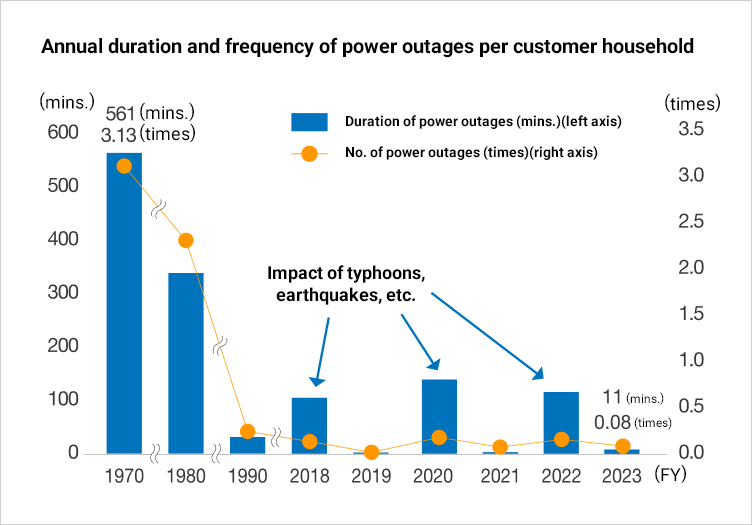
Power outage duration and number of power outages
Through ongoing proper maintenance and operation of our transmission and distribution facilities, along with power outage restoration of power during large-scale disasters like typhoons, we have significantly reduced both power outage duration and number of times.
Proactive Prevention of Power Outages
To prevent power outages of transmission lines and distribution lines, we are working to identify dangerous areas ahead of time and implement countermeasures through facility inspections. This is also to prevent birds and other animals from nesting inside them.
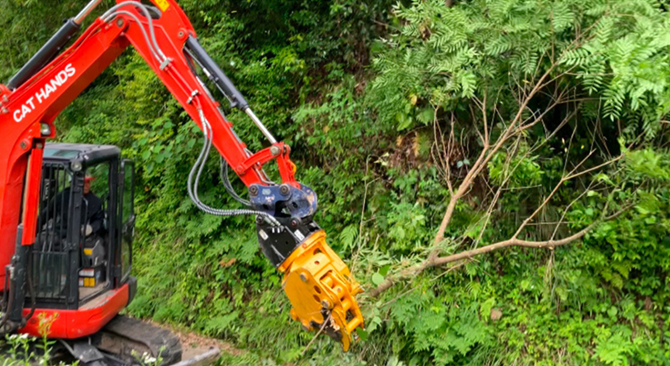
We also continuously survey the distances between trees and our power lines, and fell trees as necessary with the understanding and cooperation of all parties concerned to prevent power outages and equipment damage caused by trees.
Other efforts include reinforcing our facilities to reduce power outages caused by lightning, typhoons, and other natural disasters, and maintaining them meticulously based on their conditions.
Measures to reduce instantaneous voltage drops
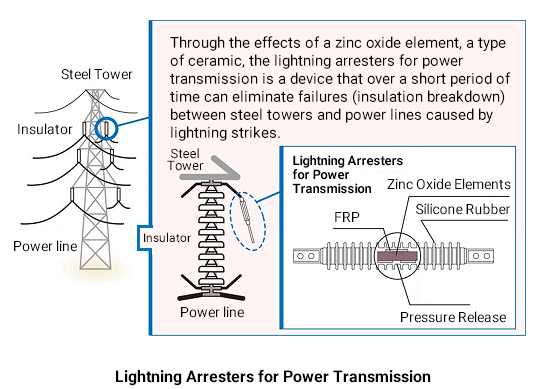
When lightning strikes a power line, the power line is instantly disconnected from the power system to prevent power outages from expanding. For a very short time (typically 50 to 200 milliseconds), the power system voltage drops (momentary voltage drop) mainly on the power line that was struck by lightning. Though momentary voltage drops have little effect on the use of home appliances, some equipment that is sensitive to voltage drops may experience a stoppage or malfunction.
This phenomenon can be mitigated by strengthening facilities, speeding up fault removal (e.g., by installing lightning protection devices for power transmission [current limiting arc horns]), and self-protection measures taken by customers (e.g., by installing uninterruptible power supplies).
Planned renewal of aging facilities
In terms of power distribution facilities, we are working toward the formation of efficient facilities from a long-term perspective that comprehensively takes into account trends in demand, supply reliability, safety, and operational aspects of the facilities and costs.
The main grid construction work includes the expansion of the 500,000V Kumamoto substation and other facilities to meet the increased demand from semiconductor-related companies moving into the Kumamoto area.
Request for Accident Prevention
While electricity is useful for a prosperous and comfortable life, carelessness or improper use can also lead to accidents like electric shock. In this section, we'll introduce some precautions to prevent electric shock and explain how to use electricity safely at home.
Please be careful to avoid accidents related to electric shock.
A very high voltage of electricity flows through power lines and underground cables. When performing work in their vicinity, there's a risk of accidents, such as electric shock. Therefore, we ask that you contact us in advance.
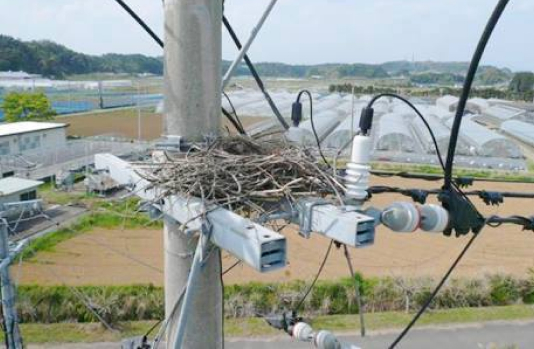
If you discover a bird's nest or vine, please contact us.
Bird nests built on utility poles or towers, or plants such as vines wrapped around them, can cause power outages, so please contact us if you find any.
We appreciate your cooperation.
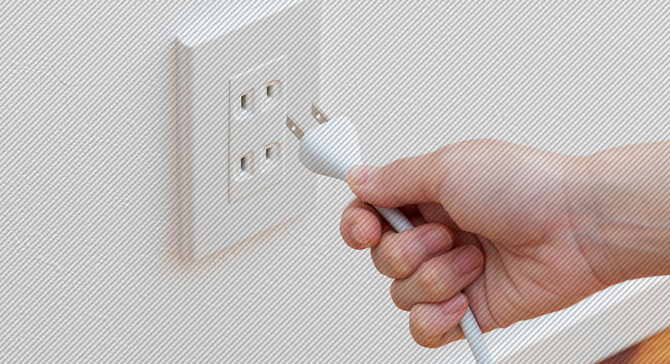
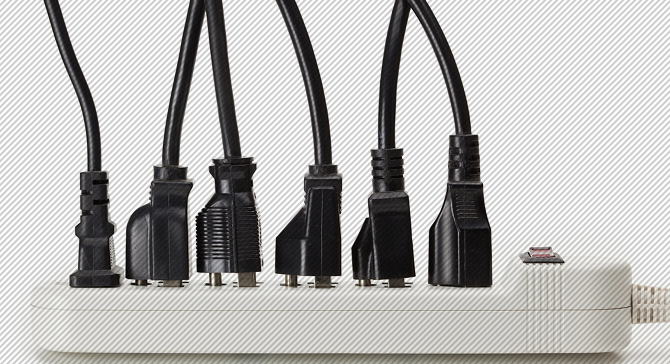
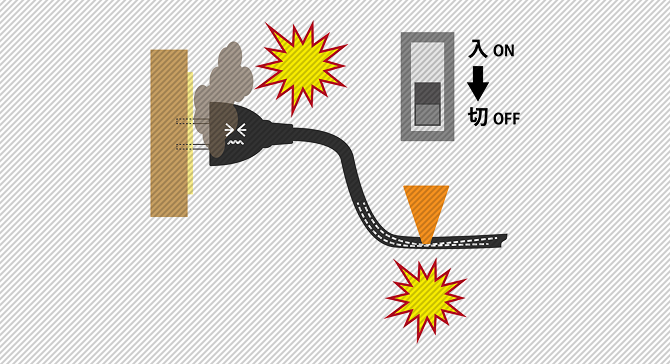
Safe Use of Electricity at Home
Home appliances that make life more comfortable. Are you using them correctly? To ensure safe use of electricity, take a moment to check your surroundings.
-
-
-
-
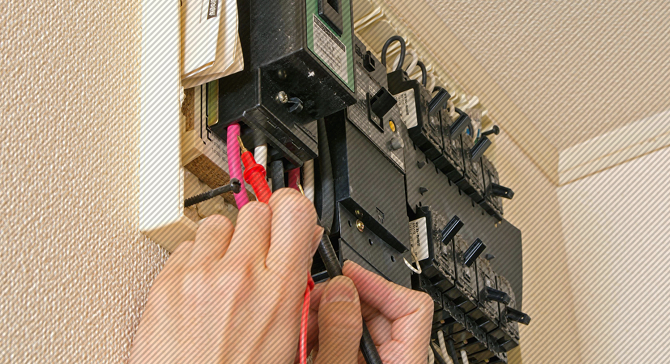


Preparing for Disasters
In the event of natural disasters such as typhoons, earthquakes, and lightning strikes, we'll introduce some precautions to help prevent electric shock, fire, and damage to household property and data.
What to Pay Attention to During a Disaster
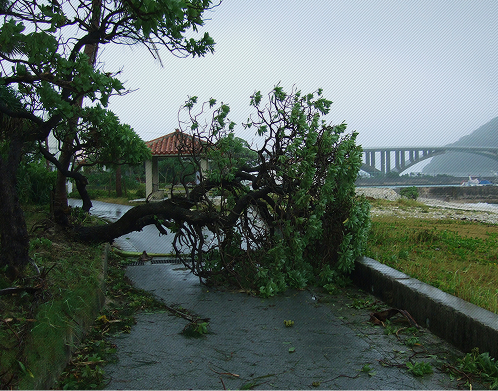
If you see a downed power line, contact Kyushu Electric Power Transmission and Distribution Co.,Inc. immediately.
If you discover a downed power line, do not touch it under any circumstances. Instead, please contact your nearest Kyushu Electric Power Transmission and Distribution Co.,Inc..
Turn off the limiter and circuit breaker when evacuating.
If there are no abnormalities in the equipment, electricity will continue to be supplied even during a disaster. To prevent fires caused by forgetting to turn off switches, be sure to shut off the limiter and circuit breaker on the distribution board before evacuating.
Before resuming electricity use, make sure to perform a proper check.
Damaged cords, appliances that have fallen from a high place, or appliances that have been exposed to water can cause short circuits, do have them checked at an electronics store.
If you smell gas, Do Not use electricity.
When there is a risk of a gas leak, do not use any electricity, as there is a danger of ignition. Instead, please contact the gas company.
Keep electricity use to a minimum.
Immediately after a disaster, there may be a shortage of electricity. We kindly ask for your cooperation in limiting your electricity use to the necessary minimum.
Let's protect your valuable electronic data and home appliances from power outages and lightning strikes.
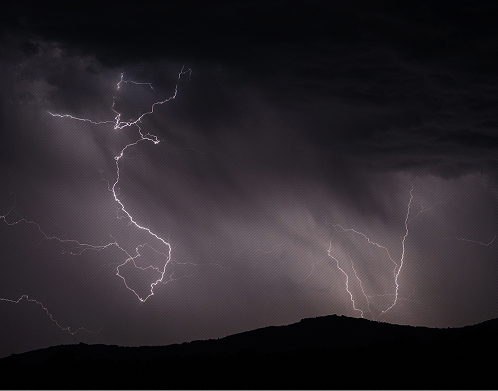
During power outages caused by typhoons or lightning strikes, there's a possibility of losing electronic data you're working on with your computer. We recommend protecting your data by saving frequently and using a UPS (uninterruptible power supply).
Additionally, it's important to regularly back up your important electronic data by copying and saving the data to another location, such as an external hard drive.
UPS: A device that supplies a constant voltage to computers during power outages or voltage dips, protecting equipment and data.
To balance electricity production and consumption
Unlike ordinary products, electricity cannot be stored. Therefore, it's always necessary to constantly balance the amount of electricity consumed by customers with the amount that is produced.
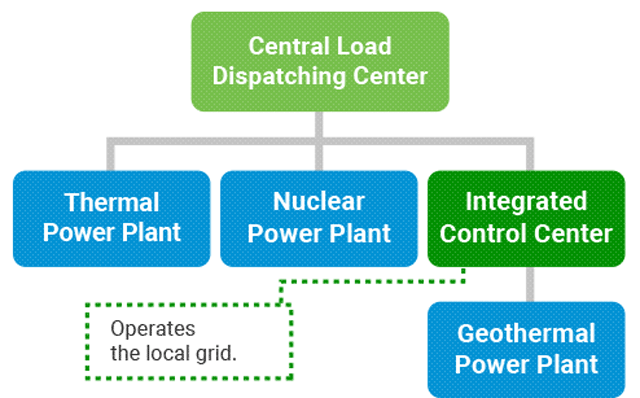
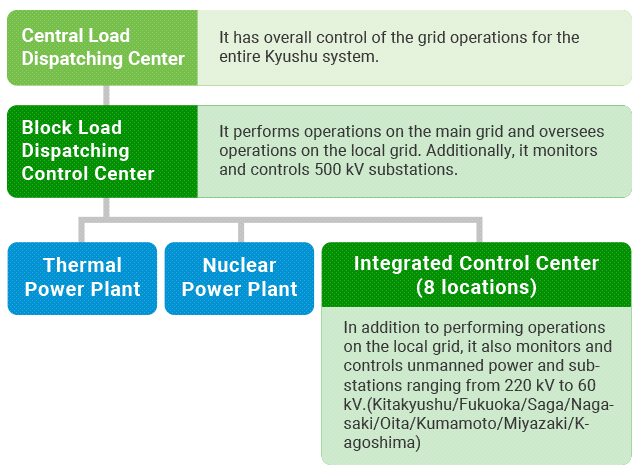
As a central hub for load dispatching operations, the Central Load Dispatching Center performs a variety of tasks, including supply and demand operations and grid operations.
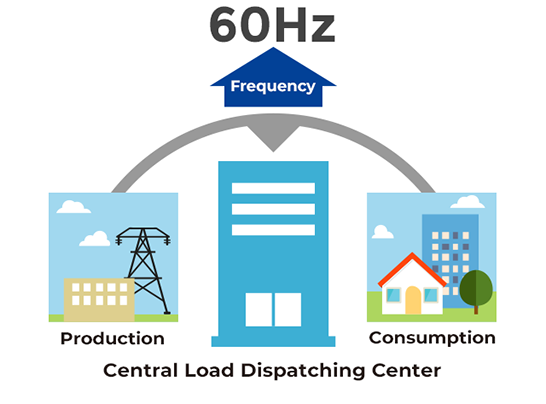
Operational framework for delivering electricity to customers
Supply and demand operation
It adjusts the power output of each generator to be most economical while maintaining a balance between power demand and supply.
Power system operation
To deliver electricity stably from power plants to customers, we configure the most appropriate grid system and continuously monitor the power grid conditions to maintain proper power flow and voltage.
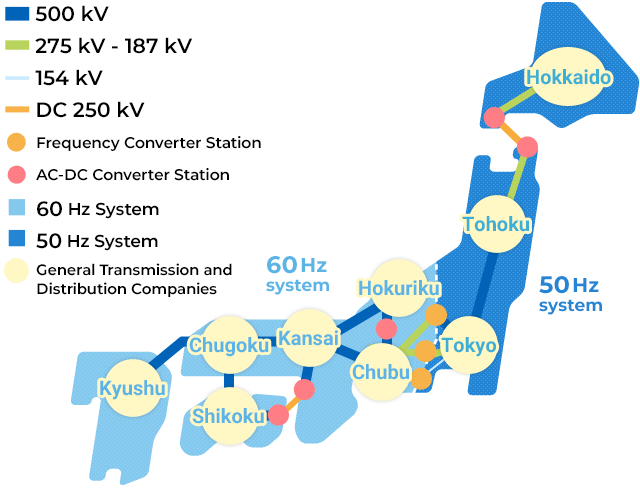
Wide-area operation
The power grids from Hokkaido to Kyushu are all interconnected. In cases where the power supply capacity is insufficient, we conduct wide-area operations of the electricity business—providing supportive power interchange beyond the supply areas of general transmission and distribution companies, based on instructions from the Organization for Cross-regional Coordination of Transmission Operators, Japan (OCCTO).
Power supply operation system
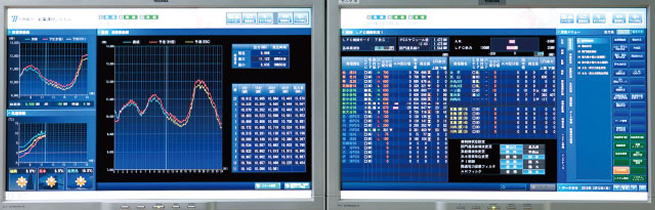
We have introduced the latest operational technology to support the quick judgments of our operators, including grid reliability monitoring and economical load distribution control. By making full use of the latest computer and information transmission technologies, we provide a stable power supply.
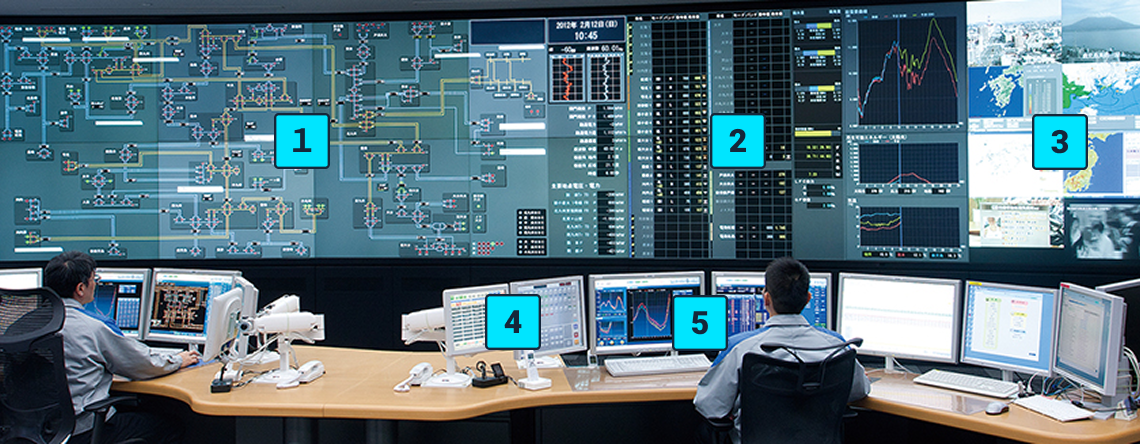
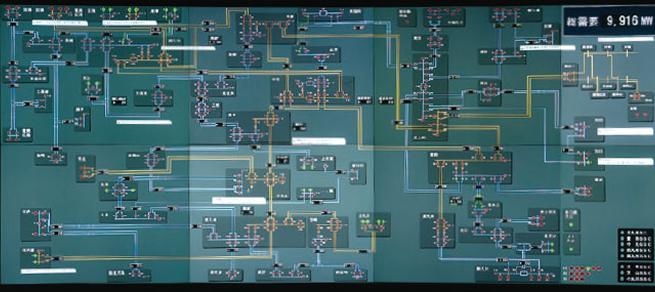
1Grid Monitoring Panel
The system graphically displays the operational status of power plants, substations, and transmission lines. When a fault occurs, it also notifies operators with alarms and blinking status displays.
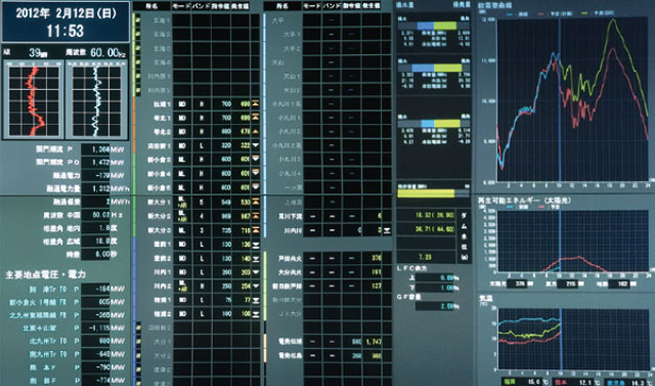
2Supply-Demand Panel
The Supply-Demand Panel displays the real-time amount of electricity consumed, as well as the control status and output values of thermal, nuclear, and hydro power plants. It also shows the frequency, the trends in the necessary control amount for adjusting it, and the planned and current values of the 500 kV Kanmon Intertie, among other data.
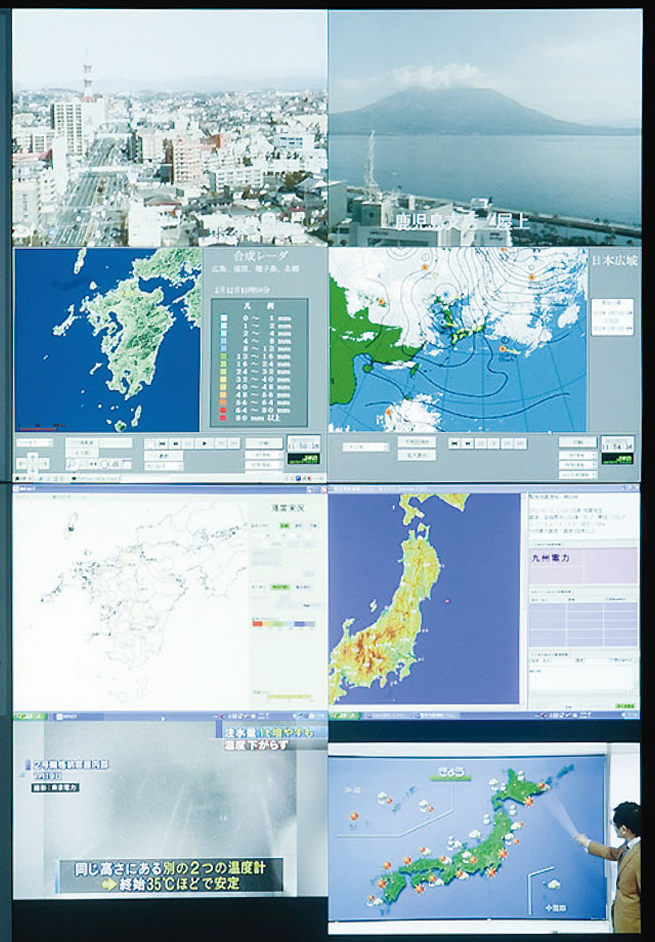
3Information Display Panel
The panel displays a variety of information necessary for supply-demand and grid operations. This includes the total demand curve and weather information, as well as information on lightning strikes, earthquakes, TV reports, and monitoring CCTV.
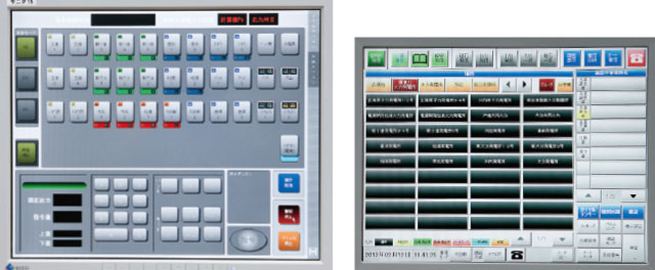
4Generator Control Device
This device is equipped with a touch-panel interface to command the generator's control modes and output, as well as one-touch phones for communicating with relevant parties.
5Surveillance Monitor
It graphically displays various types of information necessary for supply‑demand and system operations, including supply‑demand conditions, reservoir operation status, and power flow and voltage conditions.
Response in the event of an emergency disaster
During emergency disaster, we establish an emergency disaster response organization and work in collaboration with partner companies and government agencies to ensure rapid power outage restoration.
Emergency and Disaster Preparedness Drills
We prepare for disasters by regularly conducting emergency disaster response drills to confirm the chain of command and division of roles, provide information quickly and accurately both inside and outside the company, and respond to customers.
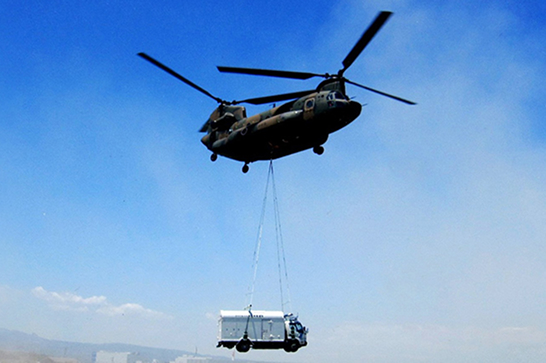
We are also working on developing technology for airlifting generator vehicles, and have concluded an agreement with the Japan Ground Self-Defense Force for the purpose of airlifting vehicles for power distribution restoration during disaster recovery.We have also concluded an agreement with the Japan Maritime Self-Defense Force to secure access routes from the sea in case land routes are disrupted.
Based on these agreements, we are working to ensure that lifelines are quickly restored even in the event of a power outage and isolated areas, including by participating jointly with the Self-Defense Forces in local government disaster prevention drills.
How Electricity Reaches Our Customers
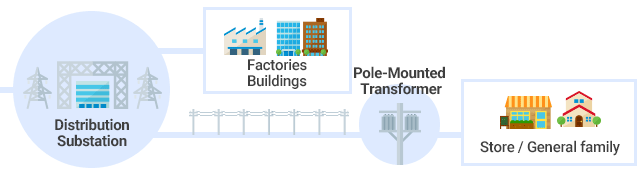
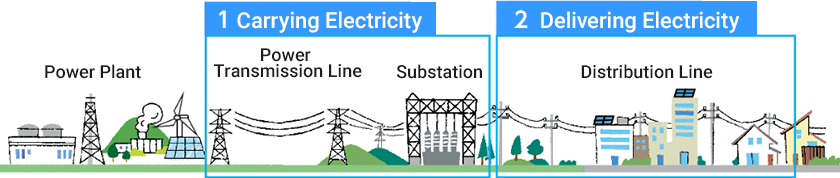
We deliver electricity generated by large-scale power plants (such as nuclear and thermal) and distributed power sources (such as relatively small-scale renewable energy) to factories, offices, and homes via power transmission lines, substations, and distribution lines.
1 Carrying Electricity
- Electricity generated at a power plant is sent via power transmission lines. When a large amount of electricity is sent over a long distance to a consuming area, it's transmitted at a high voltage (such as 500 kV or 220 kV) to minimize loss and maximize efficiency.
- The electricity is transmitted to distribution substations while the voltage is gradually lowered at substations according to its intended use. (The voltage is lowered to 6 kV or 20 kV at the distribution substations.)
2 Delivering Electricity
- The electricity that has been transmitted to distribution substations is finally delivered to customers using distribution lines.
- The electricity delivered to general homes is first sent at a high voltage (6 kV) to the vicinity of the home. It is then stepped down to a low voltage (100 V or 200 V) using a pole-mounted transformer before being delivered.